
- Home
- About us
- News
- Events
- EXPORT Export
- BUY Buy
- INVEST Invest
- COUNTRY BRAND Country Brand
-
INFORMATION CENTER
Information center
InformationCenterInformationCenterReports Country reports Department reports Foreign trade reports Product-Destination worksheet Sectors reports Work documentsStatistical information Classification Uruguay XXI Exports Imports Innovative National Effort Macroeconomic Monitor Tools Buyers Exporters Investors
- Contact
-
Languages
Florencia Núñez kicked off her tour in São Paulo: “It was a great opportunity to visit Brazil for the first time”
The Uruguayan artist made her debut in São Paulo with the support of Uruguay XXI and is looking to expand into new markets for her music
 Publication date: 10/08/2026
Share:
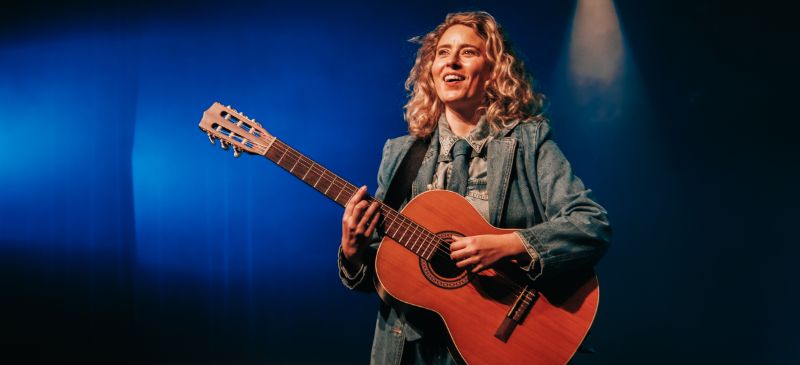
Brazil was a market that Uruguayan singer-songwriter Florencia Núñez wanted to break into. On June 18, that goal began to take shape with her first performance in São Paulo—a concert held at the Sesc Bom Retiro cultural center that not only marked her debut in that city but also kicked off the tour celebrating her 15-year artistic career.
The performance was organized by Uruguay XXI in partnership with Sesc São Paulo and was the result of the singer-songwriter’s recognition as Female Solo Artist of the Year at the 2025 Graffiti Awards. Since last year, the agency has been awarding the winner of that category with an international performance—an initiative that is part of the strategy it has been developing for nearly a decade to promote the internationalization of the creative industries, as well as its gender policy, aimed at expanding the presence of women in export activities.
The first artist to participate in this initiative was Flor Sakeo, who in 2024 gave one of her first international performances at La Furia del Libro in Santiago, Chile. That experience later led to a tour and widespread media coverage in the Chilean press.
Born in Rocha, Florencia Núñez has built a distinguished career in contemporary Uruguayan music. With four albums released and numerous awards for her career and compositions to her credit, the artist kicked off her tour in Brazil, marking a new phase in which she seeks to expand the international reach of her artistic project.
After the concert, the artist spoke with Uruguay XXI about the challenges of breaking into new markets, the Brazilian audience’s response, the value of institutional support, and the role of music as a vehicle for promoting Uruguayan identity.
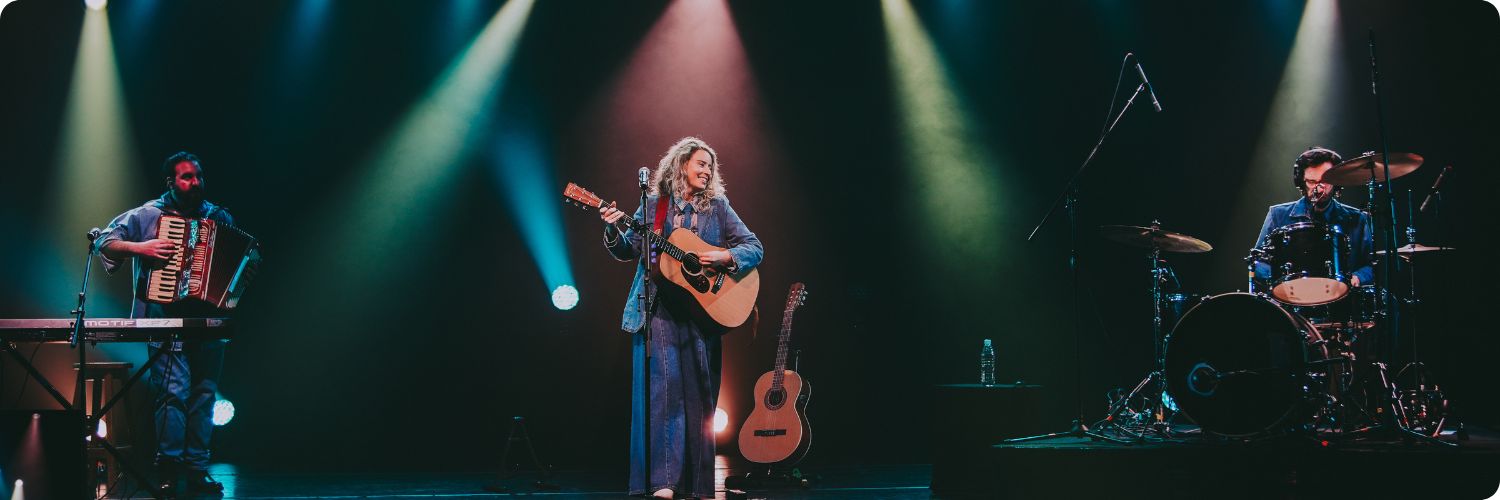
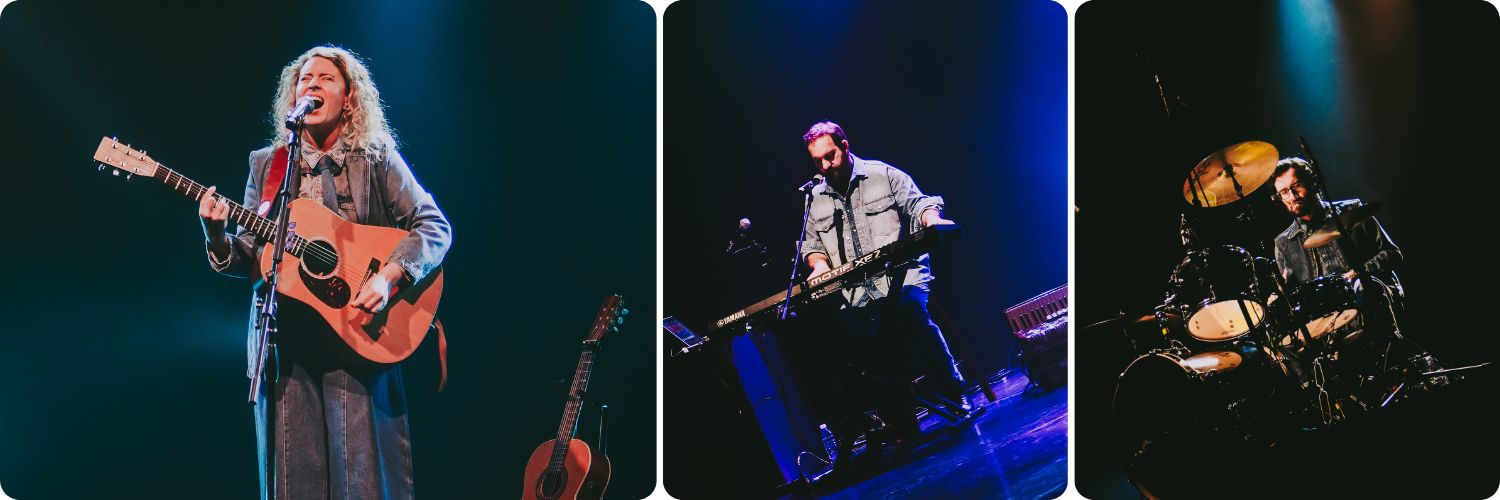
After a 15-year career, how do you assess the journey so far?
Celebrating a decade and a half of my career means reflecting on all the time that has passed and the many milestones that have marked the way. I always think that albums are the major milestones in any artist’s career, and in my case, this is the first time I’ve done a tour based on my entire discography, rather than a specific album.
There have been other important milestones along the way, such as the awards I’ve received. Some of them meant breaking small glass ceilings for women in music. I was honored to have my music recognized, as well as my work as a songwriter, and although it may sound ridiculous, it was the first time a woman had received that kind of recognition. I carry that with the responsibility of having opened that space so that other women in the industry can also access it.
Also, sharing the stage with colleagues who, at the beginning of my career, seemed like people from another world—over time, as you come to see those encounters as normal, you realize that the things that happen to you aren’t coincidences, but the result of a journey taken with perseverance, dedication, and responsibility.
What did it mean to kick off the tour in São Paulo?
I experienced it in a very special way because it was my first time in São Paulo, but it was also the start of the tour. SESC welcomed us very warmly; they were very happy with the concert. We were thrilled to have kicked off the tour there. It was a wonderful experience and, in a way, it felt like breaking the seal on the tour—and also on my first concert in the city of São Paulo, which I was truly looking forward to.
Brazil has such a huge domestic market, and there’s also a language barrier. It’s strange, because we consume so much music in Portuguese—and it’s such an essential part of our culture, even for our own fusion—but the reverse isn’t true.
Once you’re there, you realize just how big it is. This was undoubtedly an excellent opportunity to break into the market for the first time, to start learning how things work there and who our potential partners might be in the future—always thinking of this as an investment for the future. It’s our first visit to the city, and the idea is that it won’t be the last.
How did the Brazilian audience receive you?
Whenever you enter a new market, you wonder if your music will connect with the people. I was very pleasantly surprised by the audience’s response. I remember announcing that the concert was over, and the crowd said no. That usually happens when you play somewhere where people already know you, so it was really exciting to experience it in a city where I was performing for the first time.
Also, sharing the stage with Brazilian artist Bruna Caram was very enriching. She’s a colleague I’ve collaborated with before because she’s a regular at the La Serena festival in La Paloma.
The audience gave us something back—I’m not sure if it was just extreme warmth or if they were genuinely moved by the concert—but it confirmed that the project has a lot of potential for growth in that market. I think that’s where all the cogs in the machine that move to bring a project to another city finally come together.
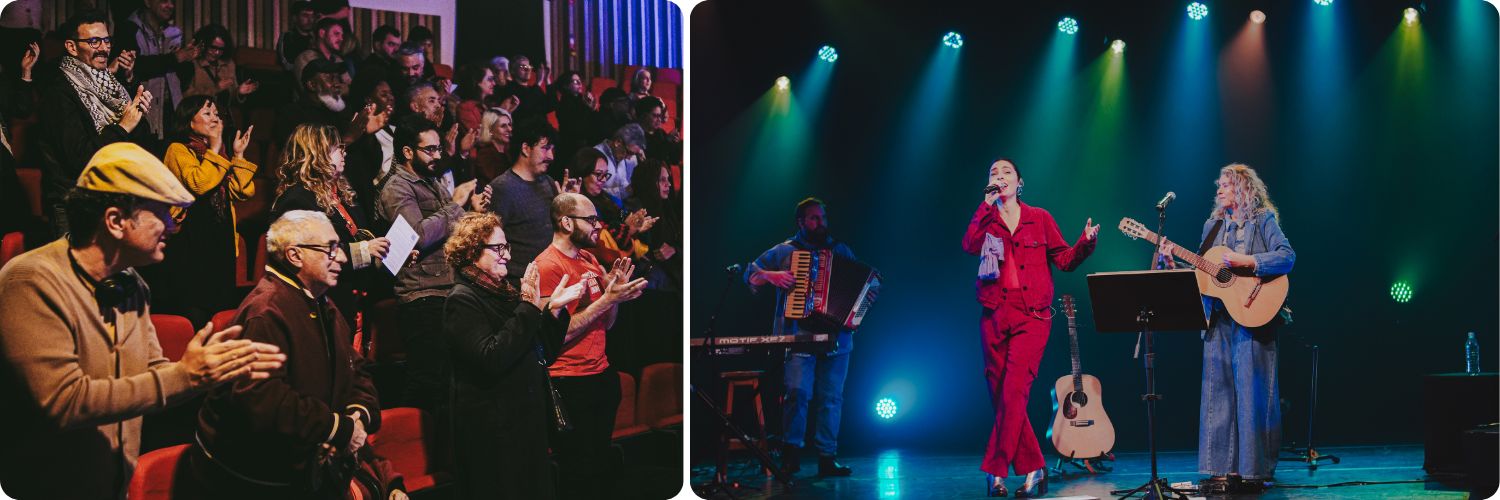
What does it mean to have the coordinated support of organizations such as Uruguay XXI, the Graffiti Awards, the Consulate General of Uruguay in São Paulo, and SESC?
It’s incredibly valuable because it means breaking down a barrier. Otherwise, it would have been difficult for us to take that step.
Behind these initiatives are people thinking about how to make things a little easier for those of us who make music.
We’re incredibly grateful that different institutions are working together in a coordinated way. We put a lot of effort into sustaining an artistic career, and every form of support like this represents a very important opportunity.
The initiative also aims to expand opportunities for women in music. How do you view that approach?
I think we’re much more aware today that gender gaps exist, and that’s already an important step because it allows us to start taking action to reduce them. I’m grateful that more people are working to ensure that women have access to opportunities based on our talent and our work. Gender shouldn’t be a barrier; hard work and talent should be a springboard.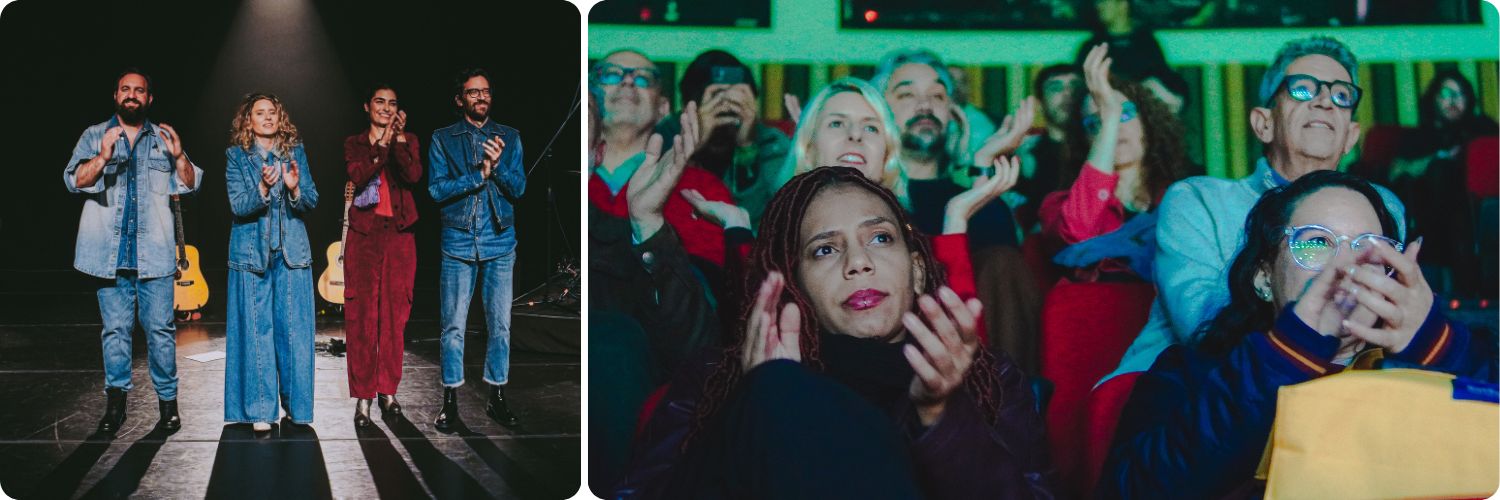
What role does Uruguayan identity play when you perform abroad?
Every time we give a concert, we talk not only about who we are but also about where we come from. It’s impossible to separate an artist from their identity.
In my case, I’ve worked on this a lot, especially on my third album, which was dedicated exclusively to songs from Rocha. I think it was a way to put a department on the regional map—one that, while known for its beaches and beauty, also has its own creativity, its own body of work, and its own songbook.
Every time I’ve represented a little bit of Uruguayan culture abroad, I’ve felt an incredible response from the audience.
After this stop in Brazil, how will the tour continue, and how do you envision the international expansion of your project?
The tour will continue for many months. We’re heading to Buenos Aires, then we’ll start performing at theaters in the interior, and we’ll wrap up in Montevideo at the Sodre National Auditorium.
The audience will attend a concert where we’ll celebrate the journey we’ve taken, and at each stop, they’ll be introduced to an emerging local artist. I thought it was a wonderful opportunity to share the stage with colleagues who can use this as another small window of exposure.
Then, we’ll keep looking outward, because all of us in this industry know that the Uruguayan market is wonderful, but we’re nearing its limits. So this year I’m also going to Spain to see what it’s like to work from a different place. That’s the challenge and the goal—hopefully we can achieve it.