- Home
- About us
- News
- Events
- EXPORT Export
- BUY Buy
- INVEST Invest
- COUNTRY BRAND Country Brand
-
INFORMATION CENTER
Information center
InformationCenterInformationCenterReports Country reports Department reports Foreign trade reports Product-Destination worksheet Sectors reports Work documentsStatistical information Classification Uruguay XXI Exports Imports Innovative National Effort Macroeconomic Monitor Tools Buyers Exporters Investors
- Contact
-
Languages
Uruguay serves as a true bridge between European and North American practices
AEC consultant Eli Gould and architect Josefina Pallas highlighted Uruguay's international potential
 Publication date: 09/10/2026
Share:
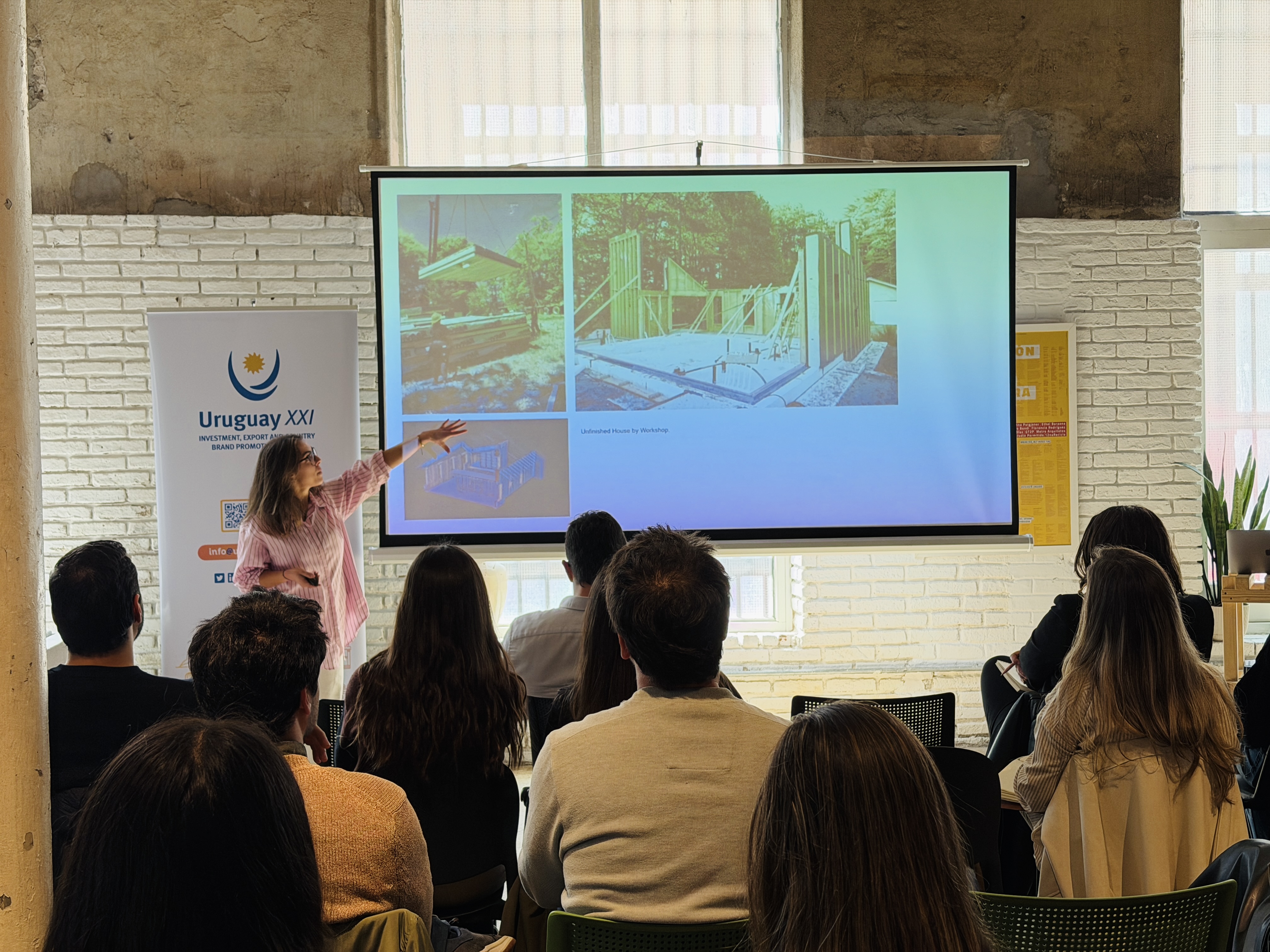
For a company seeking an international partner in architecture, engineering, and construction, technical expertise is just as important as the ability to integrate into a team, understand the unique aspects of each project, and fulfill commitments. In these areas, Uruguay has a lot to offer. This was highlighted by Eli Gould, an architect, AEC business consultant, and director of STIX, L3C, and STIX Canada Ltd., and Josefina Pallas, a Uruguayan architect specializing in BIM and carbon footprint calculations, Product Owner at One Click LCA, and partner at STIX Canada Ltd.
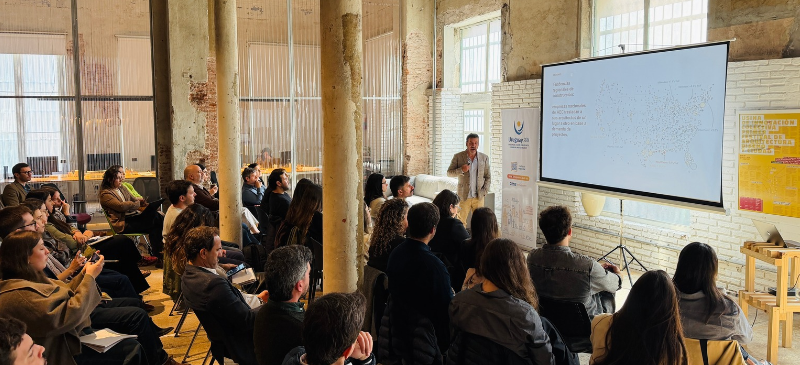
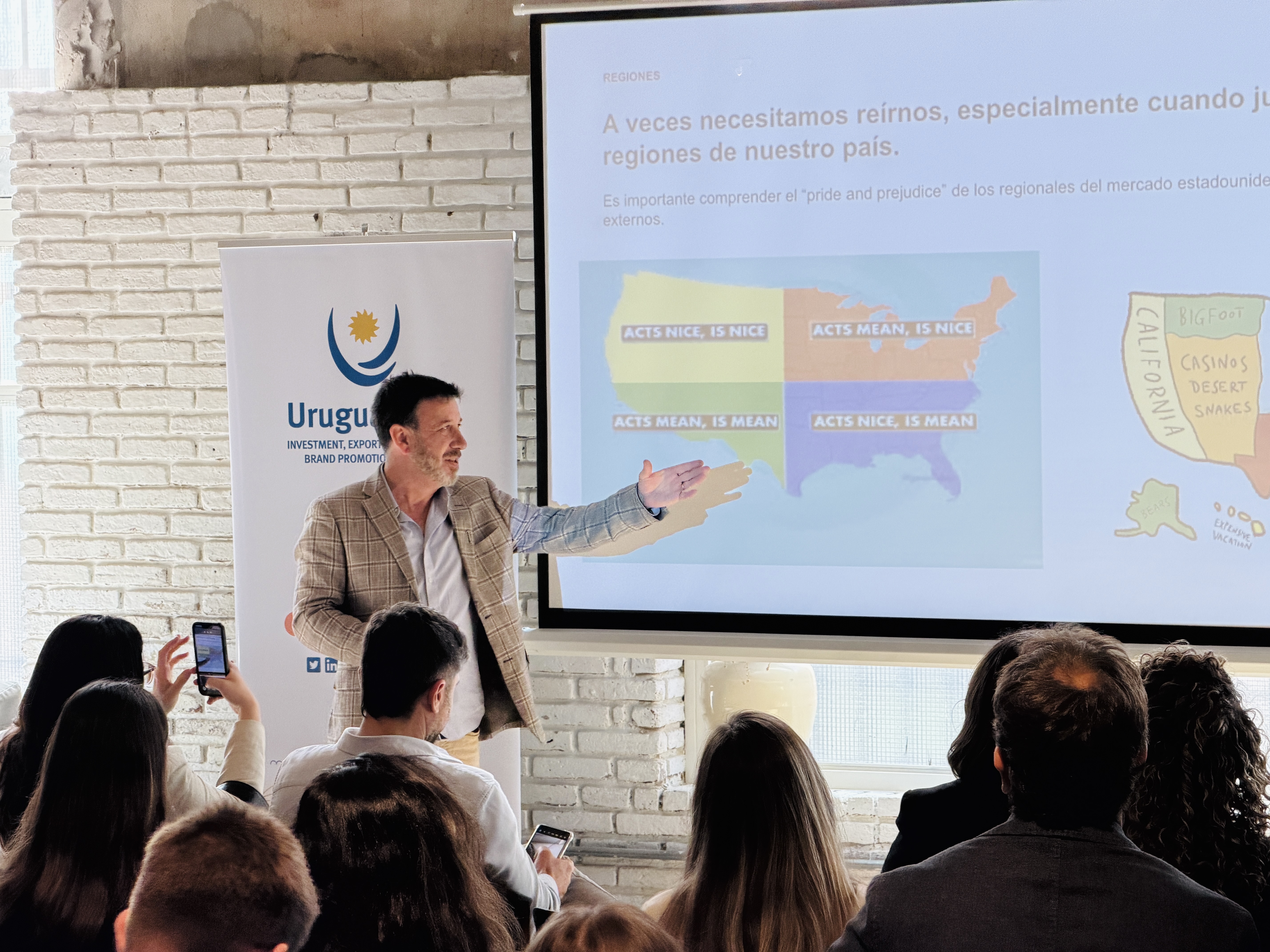
Both participated as speakers in the workshop “How to Enter and Scale Up in the U.S. AEC Services Market,” organized by Uruguay XXI with support from CUSAI, and identified opportunities to connect Uruguayan talent with the needs of clients in the United States and other markets. They agreed that the experience of the country’s professionals and their ability to add value can help address the challenges of an industry moving toward more digital and industrialized processes.
Digital Capabilities and Teams with International Experience
Gould identified digital practices as one of the sector’s strengths in Uruguay. “They are very advanced in digital practices, BIM, and modeling,” he stated. He added to these capabilities the presence of integrated teams, accustomed to working together, and experience with European and North American projects.
For international clients, this track record provides a foundation for building relationships with professionals who are already familiar with different ways of working. “They serve as a true bridge between European and North American practices,” noted Gould, who also highlighted that many Uruguayan firms have clients in both markets.
The specialist sees concrete opportunities for collaboration in housing and construction using structural mass timber. As he explained, the scale and level of development of Uruguayan firms allow them to complement U.S. companies that face difficulties in meeting certain needs in those segments.
Design That Adds Value to Construction
Pallas, a specialist in BIM and the integration of environmental data to calculate the carbon footprint of buildings and materials, links these opportunities to the transformation of construction processes. Growing industrialization—particularly in prefabricated construction—will require designs that can be translated into manufacturing with quality and precision.
“This process will require professionals capable of creating high-quality designs and designs suitable for manufacturing,” she said. For the architect, this task requires experienced teams—a resource she recognizes in Uruguay.
Differentiation is also part of this approach. Pallas explained that competing in a small market has led Uruguayan firms to develop value-added services and incorporate an entrepreneurial mindset into their professional practice. In her view, this ability to contribute to design and construction processes is a strength for working in the United States.
The specialist also highlighted the human dimension of business relationships. “We are productive, we have an entrepreneurial spirit, and we have a lot of experience. Furthermore, we are capable of building good, lasting relationships,” she said.