
- Home
- About us
- News
- Events
- EXPORT Export
-
BUY
Buy
BuyBuyFood and beverage Beef Caviar Dairy Products Fruits Healthy foods Olive oil Processed Foods Rice Sweets, honey and jams Wines ICT Software development Technology products
- INVEST Invest
- COUNTRY BRAND Country Brand
-
INFORMATION CENTER
Information center
InformationCenterInformationCenterReports Country reports Department reports Foreign trade reports Product-Destination worksheet Sectors reports Work documentsStatistical information Classification Uruguay XXI Exports Imports Innovative National Effort Macroeconomic Monitor Tools Buyers Exporters Investors
- Contact
-
Languages
“The Uruguayan fashion market has an incredible sense of uniqueness”
Uruguay XXI held a new round of business meetings for the fashion sector, bringing together local brands and international buyers while strengthening the link between design, production, and global markets
 Publication date: 16/12/2025
Share:
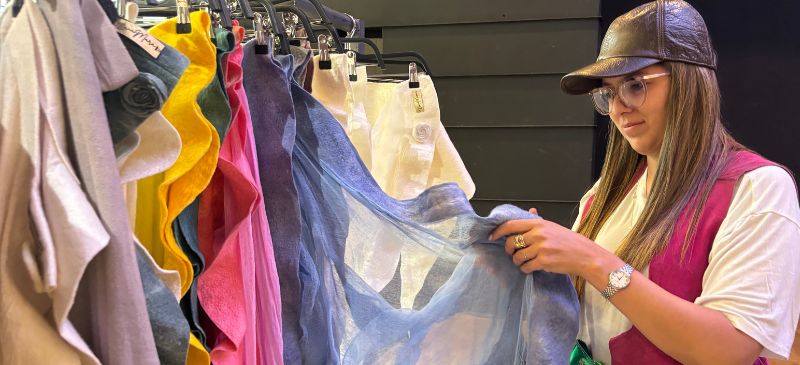
For three days in December, Uruguay XXI once again built bridges between the local fashion industry and international buyers as part of its internationalization strategy. Representatives from multi-brand stores, retailers, and digital platforms arrived from Canada, Spain, and Italy. In total, 37 Uruguayan companies took part in the business round, which included 114 coordinated meetings. Noël and Marie Teillard, buyers for La Maison Simons; Eva Folch, founder of Folklorious; Ginevra Gozzoli, CEO of Bernardelli Stores; Francesca Molteni, owner of Tessabit; and Guillermo García, representative of The Folklore, participated in an agenda that combined one-on-one meetings, an open discussion with the industry, and an in-depth look at the wool value chain, one of the country’s signature fibers.
Find out which Uruguayan brands participated
The first impression was widely shared. “I didn’t think the market was so mature; I thought the brands were much smaller and more local,” acknowledged Noël Teillard, who admitted he had arrived in Uruguay expecting to find an emerging market. However, visits to the collections and meetings with designers quickly changed that perception. “Wool production, from breeders to the final product, is one of Uruguay’s specialties,” he noted, pointing out that the material represents a clear strength compared to synthetic fiber-based offerings.
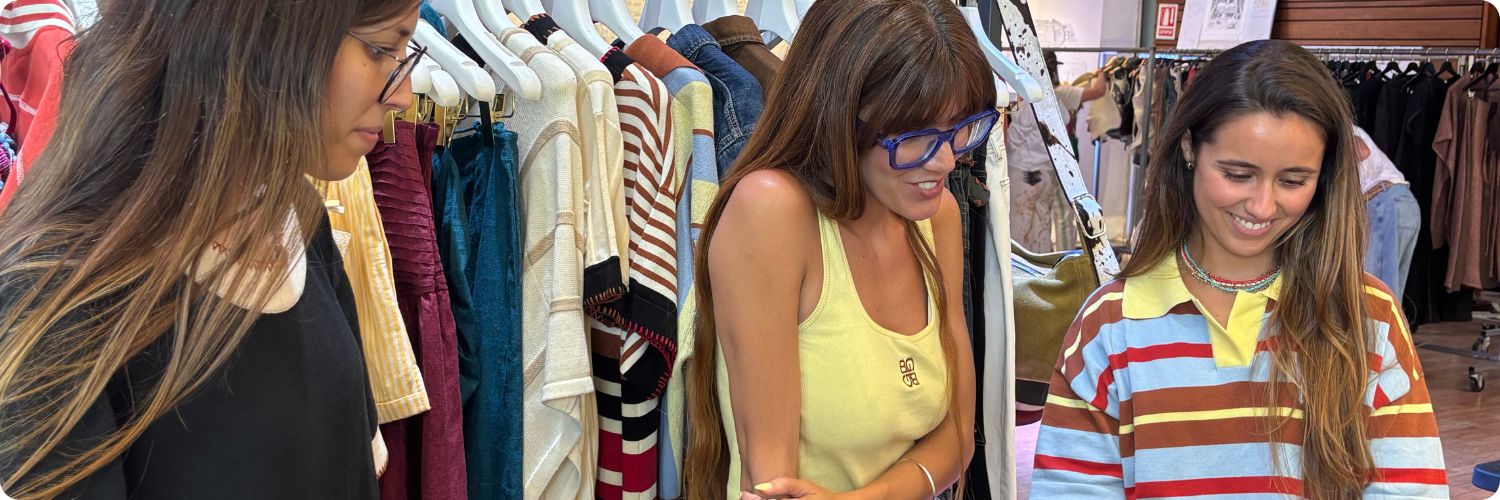
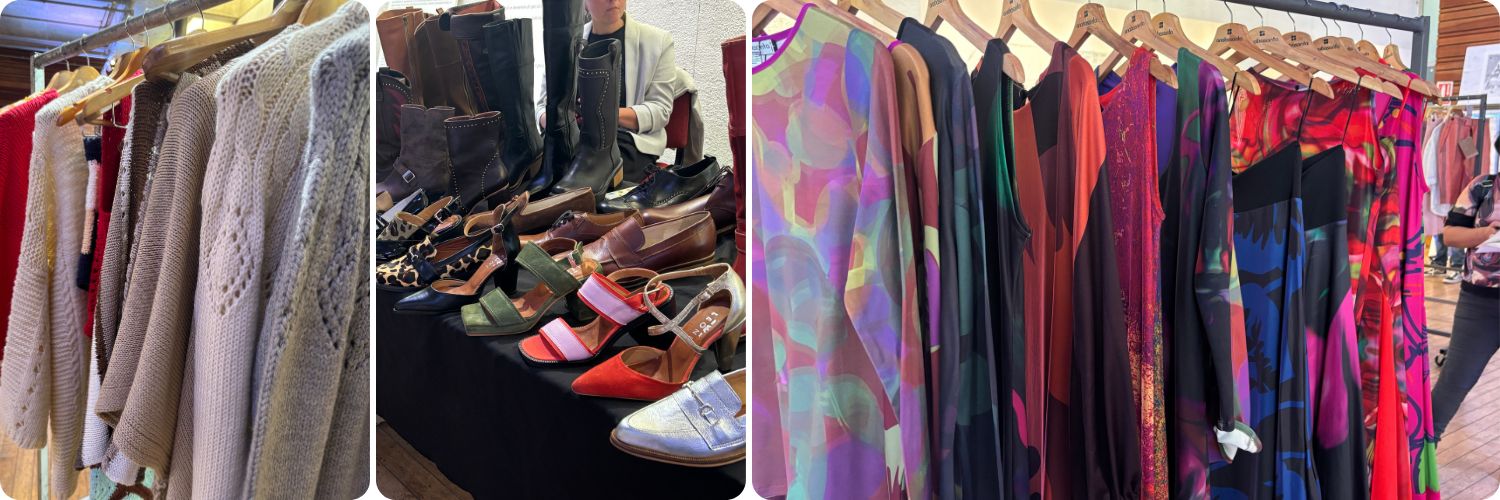
That sense of surprise was echoed by other buyers. Eva Folch explained that she decided to take part because of the opportunity to discover brands from a country that had not previously been on her radar. The experience, she said, exceeded her expectations. “I found it to be a place with a lot of creativity and much more industry than I expected,” she said, highlighting the profile of local brands: “I’ve seen brands that are very focused on sustainability, with extensive use of wool, natural fabrics, knitwear, and many handmade pieces.” At the end of the mission, she was emphatic: “I would highly recommend my colleagues come and see what this country has to offer,” adding that, after the experience, “I would love to work with some of the brands I discovered here.”
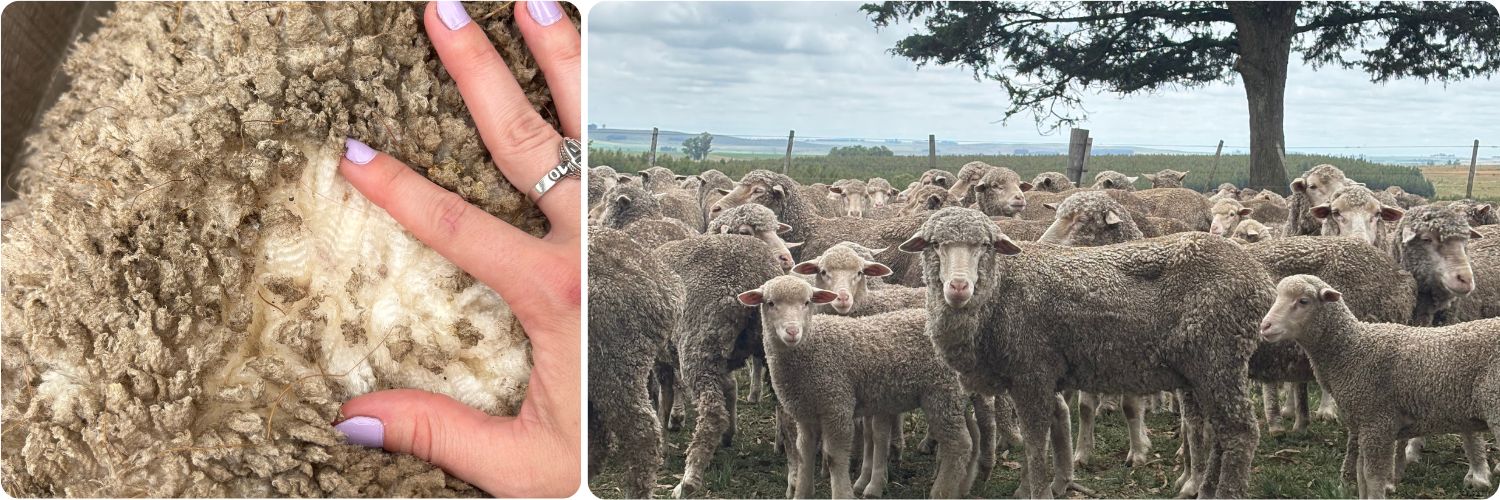
Montevideo was the starting point, but the experience extended into the interior of the country. The Wool Tour, organized in conjunction with the Uruguayan Wool Secretariat, became one of the highlights of the mission. For Francesca Molteni, the visit was key to understanding the value behind the final product. “The wool tour was very interesting because you really understand how wool is produced, what the process involves, and how sustainability relates to water use and animal welfare,” she explained.
That perspective was shared by Ginevra Gozzoli, who emphasized direct contact with the production chain. “The most valuable thing for me was being able to touch and see the entire process with my own eyes—not just the final material, but also the people and families working behind the scenes,” she said. From her perspective, one of the main differentiators of local design is full traceability. “Everything is made in Uruguay: the designer is from here, the fabric is from here, and the material is also from here,” she emphasized. Added to this, she said, is a strong creative approach: “the designs are very well thought out—you can clearly see the research and market knowledge behind them.”
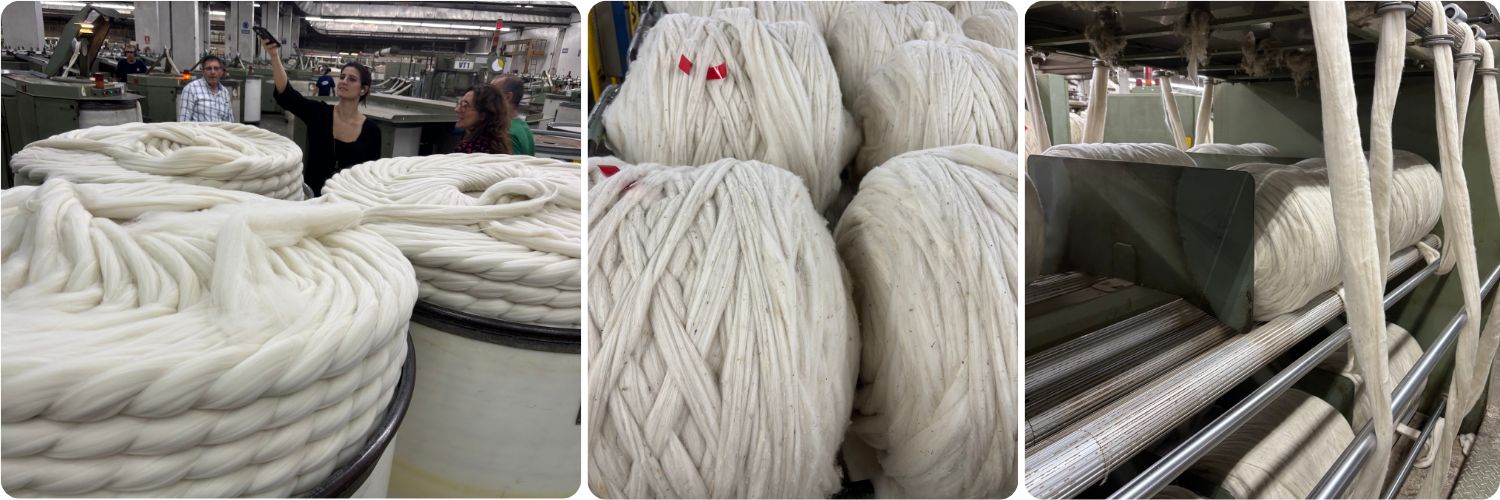
Representing The Folklore, a North American marketplace that connects independent brands with international buyers, Guillermo García offered a complementary perspective. “The Uruguayan fashion market has an incredible uniqueness factor,” he said. After his first visit to the country, he also highlighted the broader context: “Uruguay is an organized, safe country with incredible business potential,” he noted, once again emphasizing the strategic value of local wool as a high-quality input with strong sustainability credentials.
According to Elisa Schroeder, fashion sector specialist at Uruguay XXI, direct exchange between brands and buyers has been a core objective of these missions since the agency began promoting them in 2015. “It’s about showing, but also listening—building relationships that go beyond business meetings and allow brands to adjust, improve, and think strategically about their expansion,” she explained.
At the conclusion of the mission, several buyers confirmed they would move forward with concrete selections, internal presentations, and potential commercial agreements. “That’s why we’re here,” Teillard summed up.
At a time when the fashion industry is searching for new narratives, Uruguay has emerged as fertile ground—not only because of what it produces, but because of how it produces it. The business round once again positioned Uruguay as a relevant source of design and value-added production, offering buyers firsthand insight into the local production ecosystem, the potential of its brands, and new opportunities for commercial dialogue.